
What are the Best Places to Live in Utah?
Utah frequently appears on national “best states” lists, and it is easy to see why. The job market is strong, property taxes are low, and most cities are within an hour of ski slopes or red rock trails. The challenge is not deciding whether to move to Utah but choosing which city fits your lifestyle best.
Every place on this list has real advantages and some drawbacks. Here is an honest look at each one.
Salt Lake City
Salt Lake City is a natural starting point for many people who are considering relocating to Utah. As the state capital, it offers a rare combination of big-city jobs and quick access to Big Cottonwood Canyon, where Brighton and Solitude provide top-tier skiing less than 20 minutes from downtown. The tech industry has grown significantly over the past decade, and the healthcare and finance sectors add diversity to the job market beyond tech.
Young professionals find Salt Lake City appealing because of its growing job market, active social scene, and convenient outdoor access. Neighborhoods such as The Avenues and Sugar House feature walkable streets, local shops, and coffee houses that give parts of the city a unique personality.
However, there are downsides. Housing costs are above the state average, and winter air quality in the Salt Lake Valley can be a major concern. Temperature inversions trap pollution in the bowl-shaped valley, causing air quality during January and February to rank among the worst in the nation. This can be problematic for those with respiratory issues.
Politically, Salt Lake City leans more liberal compared to other parts of Utah, offering a more progressive environment in contrast to conservative areas like Draper and Kaysville.
Park City
Park City offers a very different lifestyle. It combines world-class slopes and nearby ski resorts like Park City Mountain Resort and Deer Valley with the cultural energy of the Sundance Film Festival held every January. The town maintains a genuine mountain character that many resort communities lose as they grow. Main Street has restaurants, galleries, and a walkable downtown that thrives year-round, not just during ski season. This city is especially attractive to those who love skiing and hiking because of its stunning setting and outdoor activities.
The tradeoff is cost. Park City is one of the most expensive places to live in Utah by a large margin. Much of that premium reflects access to world-renowned ski areas and exclusive golf courses that enhance its premium mountain living. The city has a strong tech and finance sector, but many residents commute to Salt Lake City for work. If you can work remotely or afford the premium, Park City offers an exceptional quality of life. If you are budget-conscious, it may feel out of reach.
Provo
Provo is located 45 miles south of Salt Lake City along Utah Lake and is often underestimated by those unfamiliar with it. It is a college town with a vibrant outdoor culture and a close-knit community. Four-season recreation is nearby, with trailheads for the Y, Provo Peak, and Rock Canyon within a mile of downtown, offering scenic views across the valley.
Provo is best known as home to Brigham Young University but also hosts several other institutions, including Provo College, Noorda College, Rocky Mountain University of Health Professions, Mountainland Technical College, and Utah Valley University. This higher education presence shapes a well-educated community and supports a strong local economy. Provo lies within Utah County, where political attitudes vary. Some nearby communities are more progressive, while others remain conservative.
Commuting to Salt Lake City via Interstate 15 can take over 40 minutes by car. The FrontRunner commuter rail offers an alternative with about an hour of travel time. If you work in Provo or remotely, this is not a concern. However, daily northbound commuters should plan accordingly.
St. George
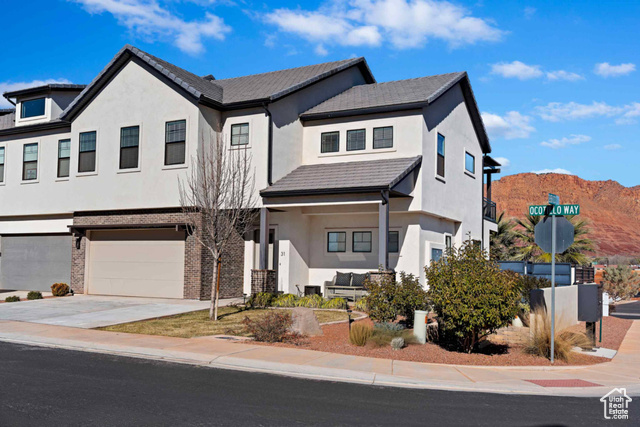
St. George is a rapidly growing city in southeastern Utah surrounded by stunning red rock landscapes. It enjoys over 300 sunny days per year and is near Zion National Park and Snow Canyon State Park, making it ideal for hiking and climbing. The city also benefits from better air quality compared to northern Utah.
Real estate professionals describe St. George as attractive to a wide range of buyers, from retirees to young families. It offers panoramic mountain views, an affordable cost of living relative to West Coast metros, and direct flights to major hubs such as Los Angeles, Phoenix, Denver, Dallas-Fort Worth, and Salt Lake City.
However, there are challenges. Summer temperatures often exceed 100 degrees Fahrenheit, the cost of living is relatively high, and water insecurity is a serious issue due to the desert climate and ongoing population growth. St. George has been one of the fastest-growing cities in the nation for years, which puts pressure on infrastructure, traffic, and housing supply.
Ogden
Ogden is one of the most underrated cities in Utah. Compared to Salt Lake City, it offers a more affordable option without sacrificing quality or access. The mountain views are equally impressive, and median home prices have been notably lower.
Located in Weber County about 40 miles north of Salt Lake City, Ogden has a population of around 87,000. It has a rich history, a growing food scene, and solid employment options in commercial and manufacturing sectors. Historic 25th Street downtown has become a popular destination, featuring restaurants, coffee shops, and nightlife that feels authentic.
The negatives include rush hour traffic, some areas with higher crime rates, and unreliable public transportation. Rapid population growth has caused congestion. For those seeking more city life than suburbia without Salt Lake City prices, Ogden is worth serious consideration.
Logan
Logan is situated in Cache Valley in northern Utah, about 80 miles from Salt Lake City. It has a strong identity tied to Utah State University, which brings youthful energy and supports a stable local economy. The surrounding mountains provide year-round outdoor access.
Housing prices in Logan are slightly above the national average but much more affordable than the Utah state average. Median gross rent is around $1,070, which is reasonable compared to other growing Utah cities. For first-time buyers or those moving from expensive markets, Logan offers relief.
The main downside is isolation. Logan does not have a major airport, specialized healthcare, or a large job market nearby. The city revolves around the university, so if that environment does not suit you, Logan may feel limited.
Draper
Draper is located in the southeast corner of the Salt Lake Valley, nestled against the Wasatch Mountains along the east bench foothills. It offers quick access to ski country and a mix of suburban homes and businesses, allowing residents to find most necessities without leaving the city. Many homes have views across the valley that are hard to match elsewhere.
Draper is consistently ranked among Utah’s safest cities and has well-regarded schools. It is close enough to Salt Lake City for manageable commutes. Like Sandy, Draper is a family-oriented east-side suburb with strong schools and safety. Politically, Draper is generally more conservative than Salt Lake City.
The main drawback is cost. Draper is a premium suburb with home prices to match. Those seeking safety, good schools, and scenery without a high price tag may find it challenging.
South Jordan
South Jordan is often ranked as the best city to live in Utah. Located in the southwest part of Salt Lake County, it has a population of about 82,624. The median home value is $633,984, with a median monthly rent of $1,691. South Jordan offers a strong job market, excellent schools, and family-friendly neighborhoods. It also provides quick access to outdoor activities and is part of the rapidly growing tech corridor along the Wasatch Front.
Lehi
Lehi ranks as the second-best place to live in Utah. Known for its rapid growth and booming tech industry, Lehi has a population of approximately 90,318. The median home value is $603,678, with median rent around $1,702 per month. Lehi offers a lot of new housing developments, good schools, and a progressive community atmosphere, especially in North Lehi. It is a hub for innovation and provides easy access to both mountains and desert landscapes.
Layton
Layton is another strong option for living in Utah. Located in Davis County, it has a population of about 85,456. The median home value is $519,793, and the median rent is $1,343. Layton offers affordable housing, good schools, and a family-friendly environment. It also provides proximity to several ski resorts and outdoor recreational areas. However, it is important to check local school quality and community resources to ensure they meet your needs.
Sandy
Sandy is a well-regarded suburb known for its safety and excellent public schools. It has a population of around 92,682, with a median home value of $605,463 and median rent of $1,636. Sandy offers easy access to ski fields and outdoor trails on the east bench foothills. It is a family-oriented community with strong amenities and a moderate political climate.
How to Choose The Best Place to Live in Utah
Start by considering your priorities. If job opportunities and a vibrant social scene are important, cities like Salt Lake City, South Jordan, and Lehi stand out with strong economies and diverse amenities. For families focused on school quality, areas such as Murray, Sandy, and Holladay offer highly rated schools and safe neighborhoods. Outdoor enthusiasts might prioritize proximity to ski resorts and national parks, making Park City or Ogden ideal choices. If cost of living and housing affordability are your main concerns, Logan and Layton provide more budget-friendly options without sacrificing quality of life.
Another factor to consider is the political climate and community culture. Utah has a strong Mormon heritage influencing many communities. Places like Alpine and Highland tend to be more conservative and closely tied to Mormon traditions, while Salt Lake City and North Lehi offer a more progressive environment. Understanding these cultural dynamics helps you find a community where you feel comfortable and welcomed.
Air quality and climate also play a role. The Salt Lake Valley experiences winter inversions that trap pollution and affect health. Areas like Park City and Cottonwood Heights have better air quality due to elevation and mountain location. Meanwhile, St. George boasts mild winters and abundant sunshine but faces challenges like summer heat and water scarcity.
Finally, review the latest rankings and data on housing costs, school performance, and community amenities. Many rankings use a clear methodology that considers factors such as employment, housing costs, quality of life, education, and health to help you check which city fits your needs best. For example, South Jordan in Davis County is often ranked as the best place to live in Utah based on median home value, commute times, and household income. Lehi and Layton also score highly due to growing job markets and affordable housing.
Utah offers significant lifestyle diversity. You can choose urban neighborhoods in Salt Lake City, fast-growing suburban communities like Draper, college-centered cities like Provo and Logan, or slower-paced retirement areas like St. George. This variety appeals to people at different life stages.
The right choice depends on whether you prioritize job access, outdoor recreation, school quality, affordability, or climate. No city on this list delivers all five equally. Salt Lake City leads on jobs and culture but struggles with air quality and cost. St. George shines with sun and scenery but faces heat and water issues. Logan offers affordability and community but requires accepting some isolation.