Moving to Utah from California: A Home Buyer’s Guide to the Beehive State
Who This is For:
- California homeowners or renters priced out of the market who want real purchasing power again
- Outdoor enthusiasts who want access to national parks, skiing, and year-round recreation
- Families looking for tight-knit communities with a lower cost of living
Key Takeaways
- Salt Lake City’s cost of living runs about 32% lower than Los Angeles, and your budget goes significantly further
- Utah has five national parks plus world-class ski resorts — the outdoor lifestyle is a genuine match for what California offers, and in some areas exceeds it
- Where you land in Utah matters: Salt Lake City, Park City, St. George, and Provo each serve different lifestyles and budgets
- The LDS church shapes Utah’s culture and community in real ways — something worth understanding before you move, not after
Californians have been moving to Utah in record numbers over recent years, and the reasons make sense. The cost-of-living gap between the two states is real, the outdoor lifestyle is legitimately comparable, and Utah’s communities have a reputation for being welcoming to new residents. If you are thinking about making this move, here is what you should know before you start searching for your new home.
The Cost Difference Is Significant
Cost tends to be the first thing people notice when relocating from one state to another. California’s housing market, particularly in cities like San Francisco and San Diego, has pushed homeownership out of reach for a large portion of its native residents. Utah, however, offers a different reality compared to the California real estate market. Salt Lake City’s cost of living runs roughly 32% lower than Los Angeles, and median home prices follow a similar pattern.
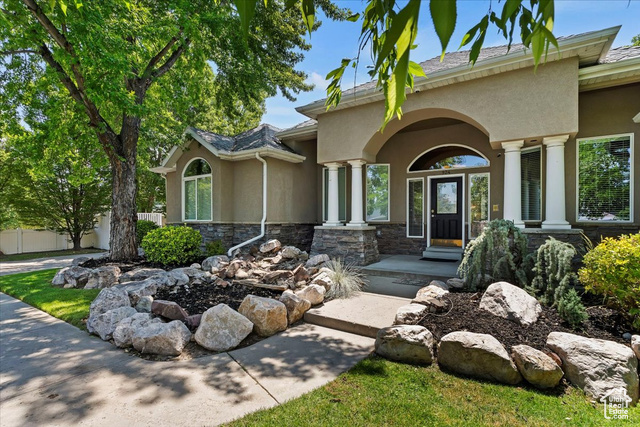
That affordability gap means buyers moving to Utah from California often find themselves with more purchasing power than they have had in years. A budget that buys a small condo in California can buy a house with a yard in a good neighborhood here. For families who have been renting in California and wondering if ownership is even possible, Utah tends to reframe that question quickly.
Five National Parks, World-Class Skiing, and Everything in Between
One concern Californians sometimes raise is whether Utah can match what they are leaving behind outdoors. The short answer is yes, and in some ways it exceeds it. Utah is home to several national parks, including Zion National Park, Bryce Canyon, and Arches National Park, which offer stunning scenery and numerous outdoor activities. That concentration of protected land in a single state is basically unmatched in the country.
Beyond the national parks, Utah has an abundance of state parks, canyon country, desert trails, and mountain terrain that most of the country never gets to experience, not to mention the skiing. Park City alone draws visitors from around the world every winter, and the resorts in and around Salt Lake receive some of the deepest snowfall in North America. For anyone moving from California who skis or snowboards, Utah tends to feel like an upgrade.
The summers bring warm temperatures and access to camping, mountain biking, and hiking across the state. The winters bring cold temperatures and snow, which is worth acknowledging before planning to adjust to the diversity of harsher climates. If you are coming from coastal California and have not spent real time in a cold winter, Utah’s mountain winters take some adjustment. The tradeoff is access to snow sports and the kind of landscapes that most people only see in photos.
Where to Live in Utah
Utah is not one-size-fits-all, and where you land matters. Here is a quick breakdown of the cities Californians most commonly consider:
Salt Lake City
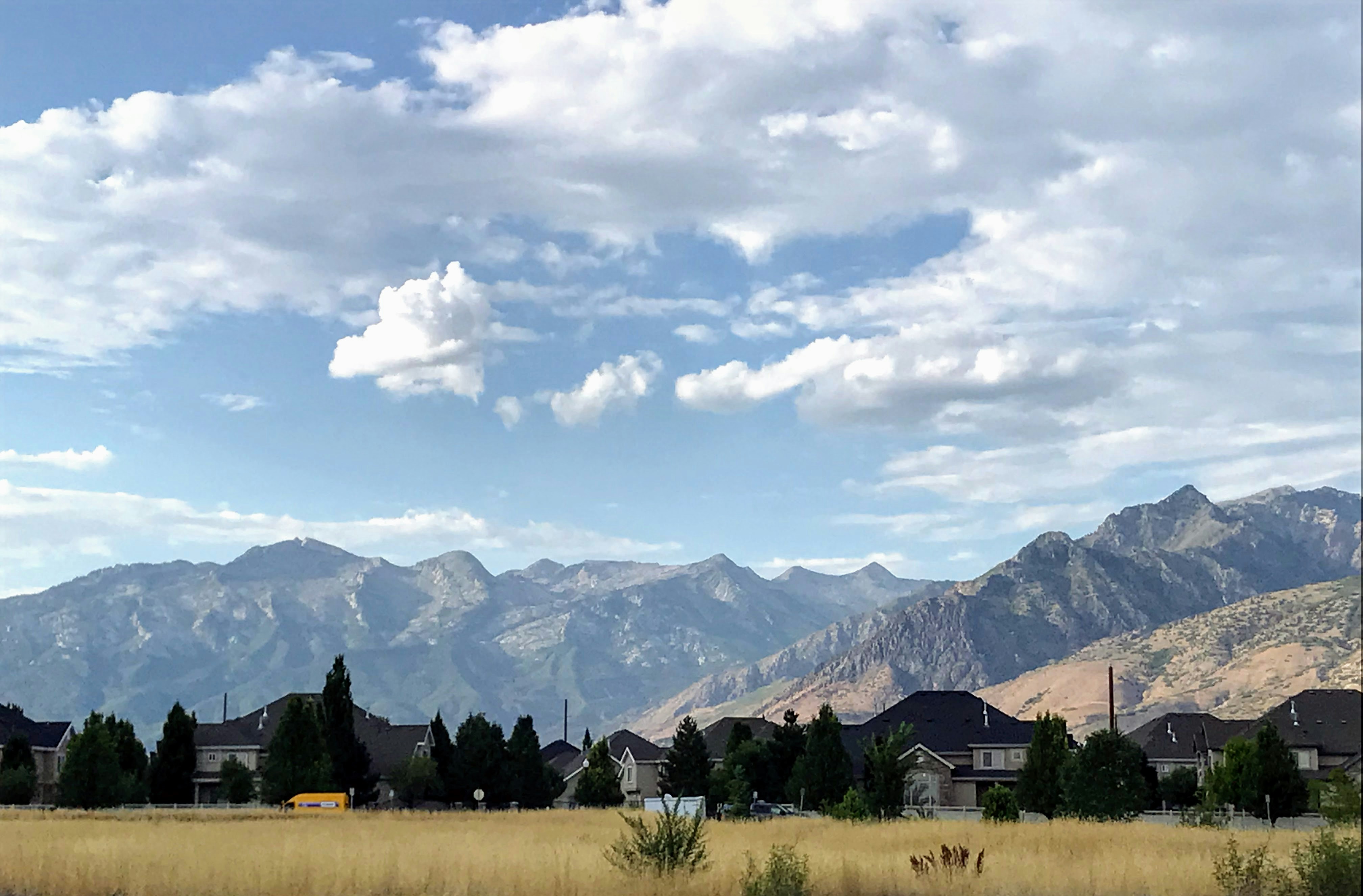
Utah’s capital sits in the center of the state and offers the most urban feel. It has a growing food and culture scene, access to the mountains, a major international airport, and a range of neighborhoods that run from dense urban to quiet residential. The University of Utah gives the city a younger energy, and the job market has grown steadily over the years; Utah has seen a 70% increase in high-tech jobs, particularly in and around the Salt Lake City and “silicon slopes” regions.
Park City
Park City is about 30 miles from Salt Lake and sits at a higher elevation in Summit County. It is a smaller community with a distinct mountain town character, and it draws buyers looking for vacation homes as well as those wanting a full-time residence with ski access. The real estate market here skews higher than the rest of the state, but Park City remains far more accessible than comparable mountain towns in Colorado.
St. George
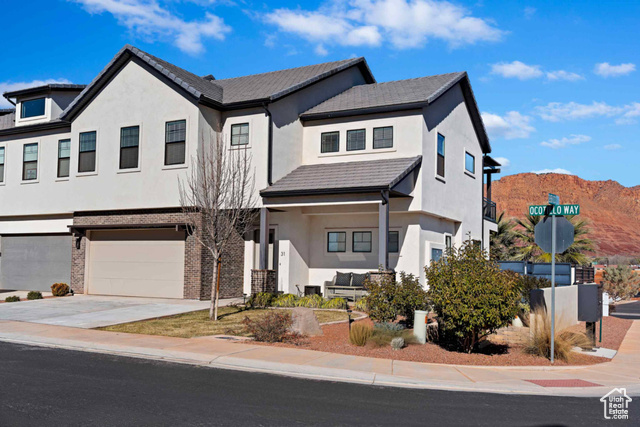
Located in the southwestern part of Utah (near the Arizona border), St. Geroge offers a warmer climate than the rest of the state. Californians who want red rock scenery, warm summers, and year-round golf tend to find St. George appealing. The area has grown fast and is still building, which means new construction options are available.
Provo
Provo is just south of Salt Lake City and is home to Brigham Young University. It has a strong family-oriented community, lower average home prices, and a quieter pace than Salt Lake. For families with children or buyers looking for the most affordable entry point, Provo and the surrounding Utah County area are worth a close look.
What Californians Tend to Notice After the Move
Smaller traffic jams are among the first things that surprise most transplants in Utah. Even Salt Lake City, which has grown considerably in recent years, does not compare to the gridlock Californians are used to in Los Angeles or the Bay Area. The city grid system, used throughout most of Utah, also makes navigation more intuitive than many California cities.
Community is the second thing. Utah’s neighborhoods have a reputation for being tight-knit, particularly for families. People tend to know their neighbors. For Californians who felt isolated in large cities, that shift in social fabric is something many residents mention as one of the best parts of the move. The comparably slower pace in conjunction with a higher child-per-household ratio than the nation’s average make it perfect for families looking to connect to engaged communities.
The LDS church’s presence in Utah is worth mentioning plainly and without pause. The Church of Jesus Christ of Latter-day Saints (also known as the Mormon church, or LDS faith) has a strong footprint throughout the state, and it shapes the culture and legal landscape in various ways. Some Californians find that community infrastructure genuinely appealing. Others take time to adjust and find it less welcoming than many. Either way, it is part of the history and texture of the state, and worth knowing before you arrive, ready to plant your roots.
Is Moving to Utah from California Right for You?
The answer to whether or not it’s worth moving to Utah from California really depends on what you are hoping to find. If lower housing costs, outdoor access, and a strong sense of community are priorities, Utah is a great selection on all three of those fronts. If you are planning a move and want to understand which neighborhoods, price points, and cities align with what you are looking for, Utah’s Best Real Estate Group is here to help. Our team works with buyers throughout Salt Lake, Park City, and the surrounding areas and can help you find a home that fits the life you are building here.
Let the local experts at Utah’s Best Real Estate guide you through all you need to know. If you’re thinking of making an exciting leap into the next adventurous chapter in Utah homeownership, contact